1. Stay safe before you go downstairs
- Don’t walk into standing water if it could be touching outlets, extension cords, a furnace or a water heater. Have your electric utility or an electrician shut off power to the basement first. In most of Greater Cincinnati, that’s Duke Energy.
- If you smell gas, leave the house and call your gas utility from outside.
- Treat sewage as a health hazard. If the water came up through a floor drain or toilet, wear rubber boots and gloves and keep kids and pets out.
2. Figure out where the water is coming from
| What you see | Likely source |
|---|---|
| Water coming up through a floor drain, toilet or tub, often smelling like sewage | Sewer backup |
| Water seeping in where the walls meet the floor, or through wall cracks | Groundwater |
| Water spraying or dripping from a pipe or appliance | Plumbing leak. Shut off the main water valve. |
| Sump pit full, pump silent | Failed sump pump or power outage |
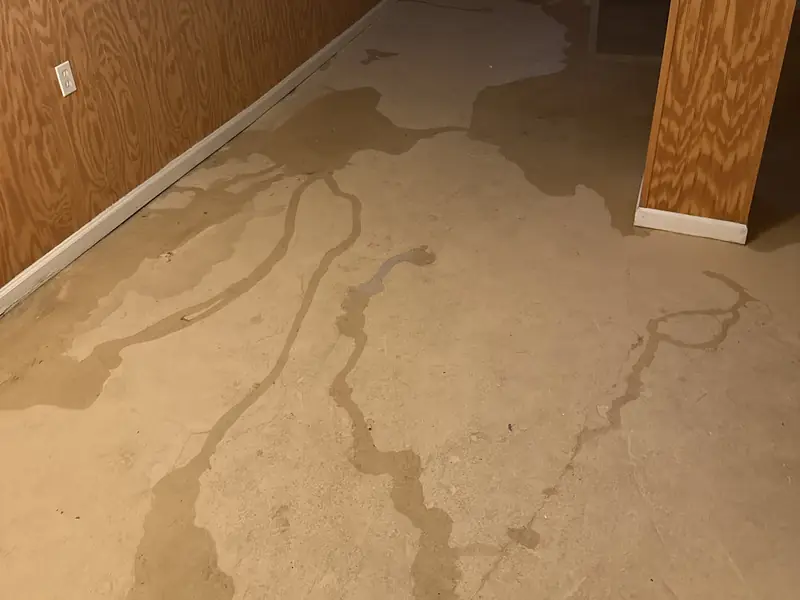
3. If it’s a sewer backup, report it within 48 hours
In the Metropolitan Sewer District’s service area, report the backup to MSD’s Sewer Backup Program within 48 hours of discovering it. Eligible properties may get cleanup help or reimbursement for damage. Report it before you throw anything away.
4. Document everything
- Photos and video of the water level, walls, floor and damaged items before you move them
- A list of damaged belongings with rough values
- Receipts for pumps, fans, dehumidifiers and cleanup services
Call your insurance agent early. Whether you’re covered depends on where the water came from. See does homeowners insurance cover basement flooding?
5. Get the water out and dry it fast
The U.S. EPA recommends drying water-damaged areas and items within 24 to 48 hours to prevent mold growth (EPA guide to mold).
- Pump or wet-vac standing water, then run fans and a dehumidifier around the clock.
- Pull up wet carpet and pad, and move belongings out.
- Cut out wet drywall and insulation in finished basements. They rarely dry well enough to keep.
- For sewage or large floods, a water damage restoration company is usually worth it.
6. Fix the cause so it doesn’t happen again
Once it’s dry, find out why it flooded. Groundwater coming through the walls or floor usually needs interior drain tile and a sump pump with a battery backup. A sewer backup usually needs a backwater valve, which is a plumbing job. Clogged gutters and short downspouts are the cheapest fix of all.
Frequently asked questions
How long does it take a flooded basement to dry?
With pumps, fans and dehumidifiers running, most basements dry in two to five days. The EPA recommends drying water-damaged areas within 24 to 48 hours to prevent mold, so start right away.
Should I call a plumber or a waterproofing company?
Call a plumber for a burst pipe, a sewer backup or a backwater valve. Call a waterproofing company if groundwater is coming through the walls or floor, or your sump system can’t keep up.
Can I stay in my house after the basement floods?
Usually, as long as the power is safe, there’s no gas smell, and sewage is contained to the basement. If you’re unsure about electrical safety, have power to the basement shut off until it’s checked.
Last reviewed 2026-11-17.